
🐾 Today's Zoomie
🐶 Pet Tip of the Day
Tip: Teach simple cleanup behaviors like placing toys into a basket.
Why it matters: Cleanup games encourage dogs to think through multi-step tasks while reinforcing positive interaction with owners. These activities combine mental stimulation, movement, and training into a fun enrichment exercise.
📅 This Day In Pet History
In 1923, the first recorded case of a dog 'learning' to alert its owner to a medical emergency was documented, beginning the history of seizure-alert pets.
🐕 Breed of the Day
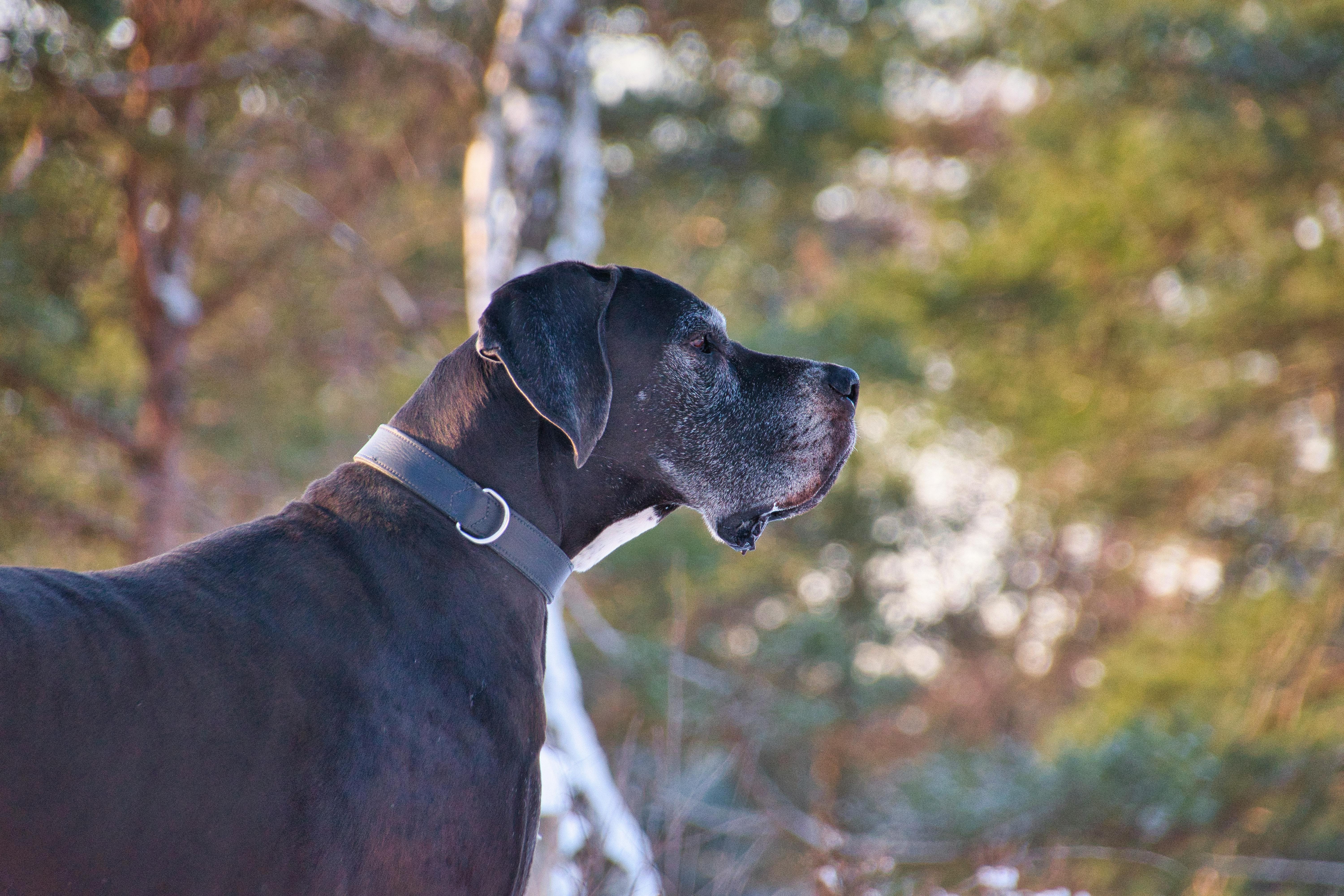
Photo Credit: Photo via Pexels.com
Breed: Great Dane
Description: Gentle giants, Great Danes are known for their massive size, calm temperament, and affectionate nature, often forming strong bonds with their families.
Fun fact: Despite their size, Great Danes are often called gentle giants due to their friendly demeanor.
Read more about this breed →🎬 Viral Pet Video of the Day
Woman Brings Home Blind Rescue Dog. Then He Started Running. | GeoBeats Animals
Why it's going viral: A heartwarming rescue story about a visually impaired shelter dog whose spirit transformed after finding a supportive forever home, inspiring his family as he confidently learned to sprint and navigate the outdoors.
🧠 Pet Quiz of the Day
Question: Why do dogs sometimes kick grass after going to the bathroom?
➕ See full explanation
📰 Pet News Snapshot
Large Dog Breeds Die Younger—and Biologists Say They Finally Know Why
While larger species in the animal kingdom typically live longer than smaller ones, dogs have always been a biological puzzle because big breeds age significantly faster than tiny ones. New genetic research published in Popular Science reveals that 'jumping genes'—transposons that replicate and relocate within a dog's genome—accumulate far more rapidly in larger dog breeds. This rapid genetic activity drives heightened cellular damage, accelerated tissue breakdown, and earlier onset of age-related health conditions in larger canines. [Read More]
Source: Popular Science